
Last updated August 25, 2026
Free on-site gate assessment - hinges, posts, and your LiftMaster or Nice gate operator checked before anything is quoted
The assessment is free and the quote is the invoice.
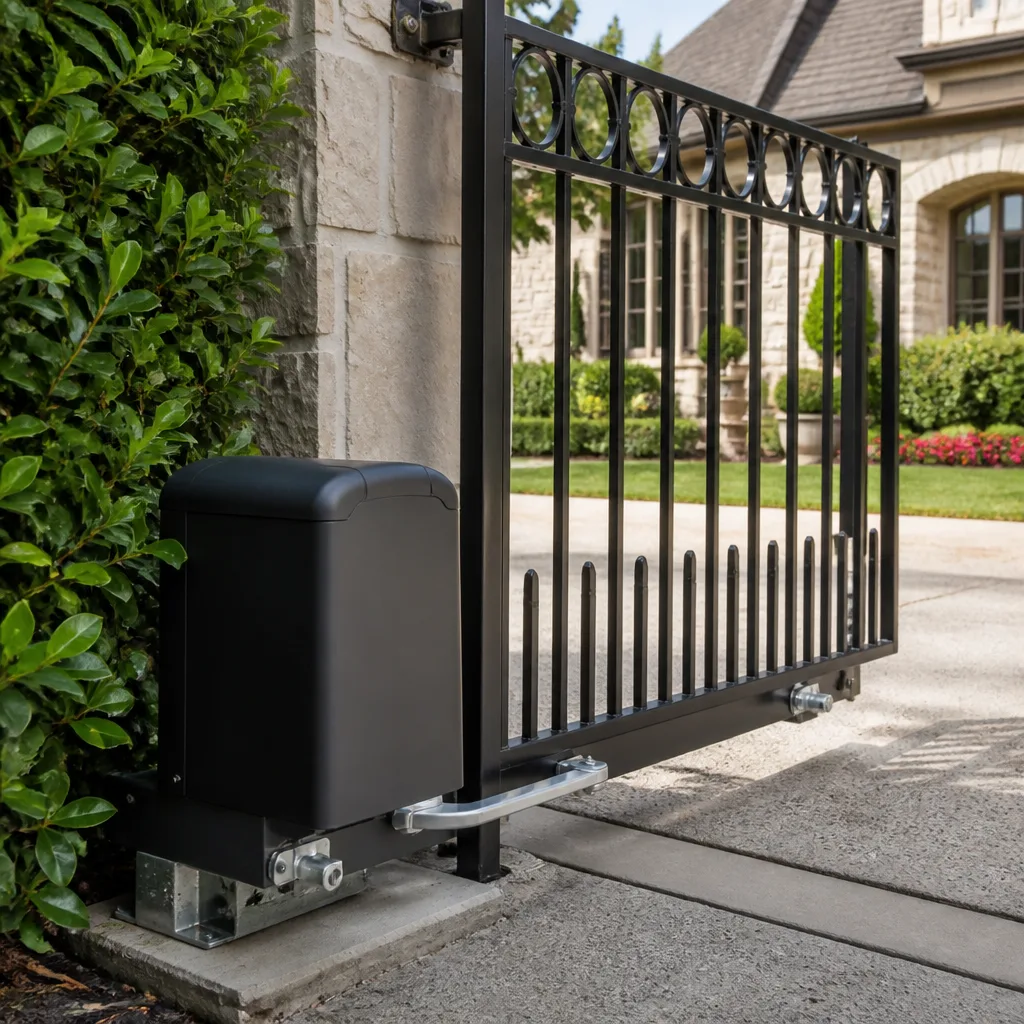
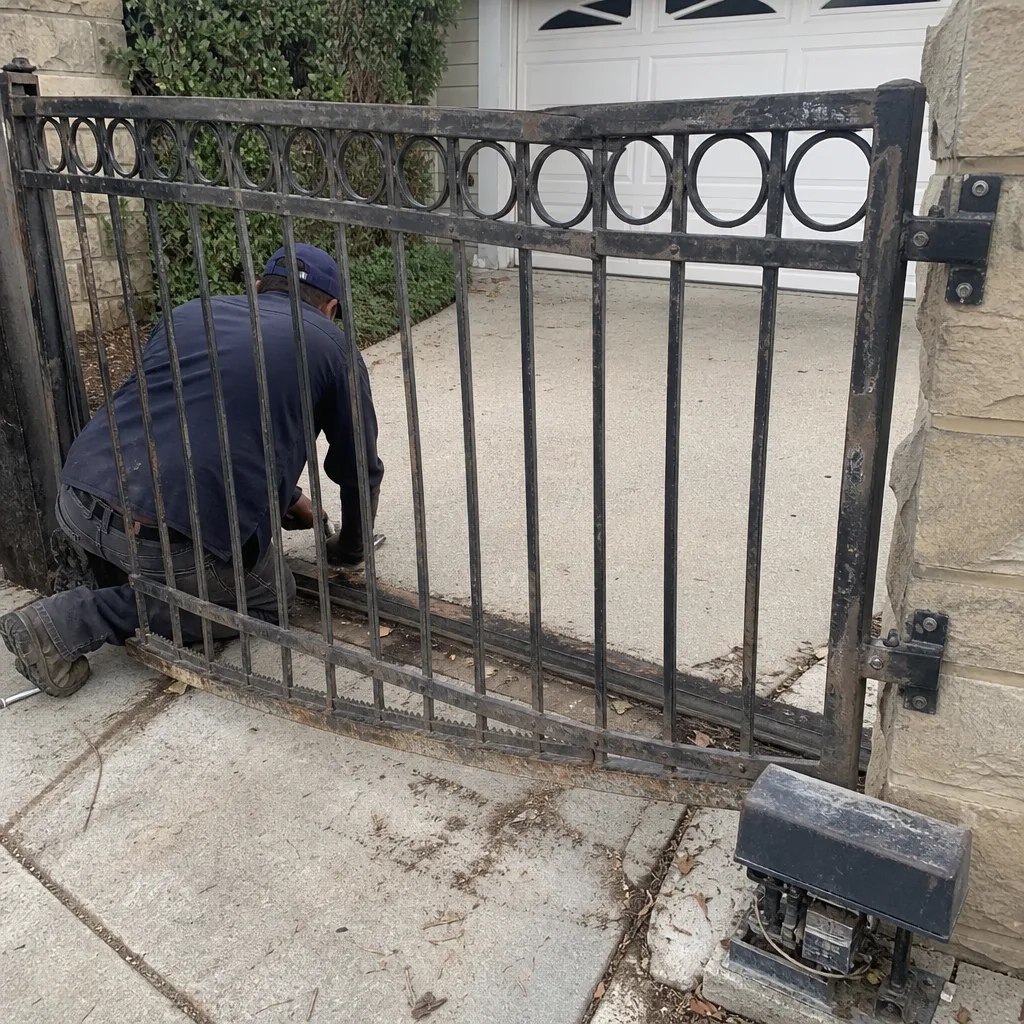 Before
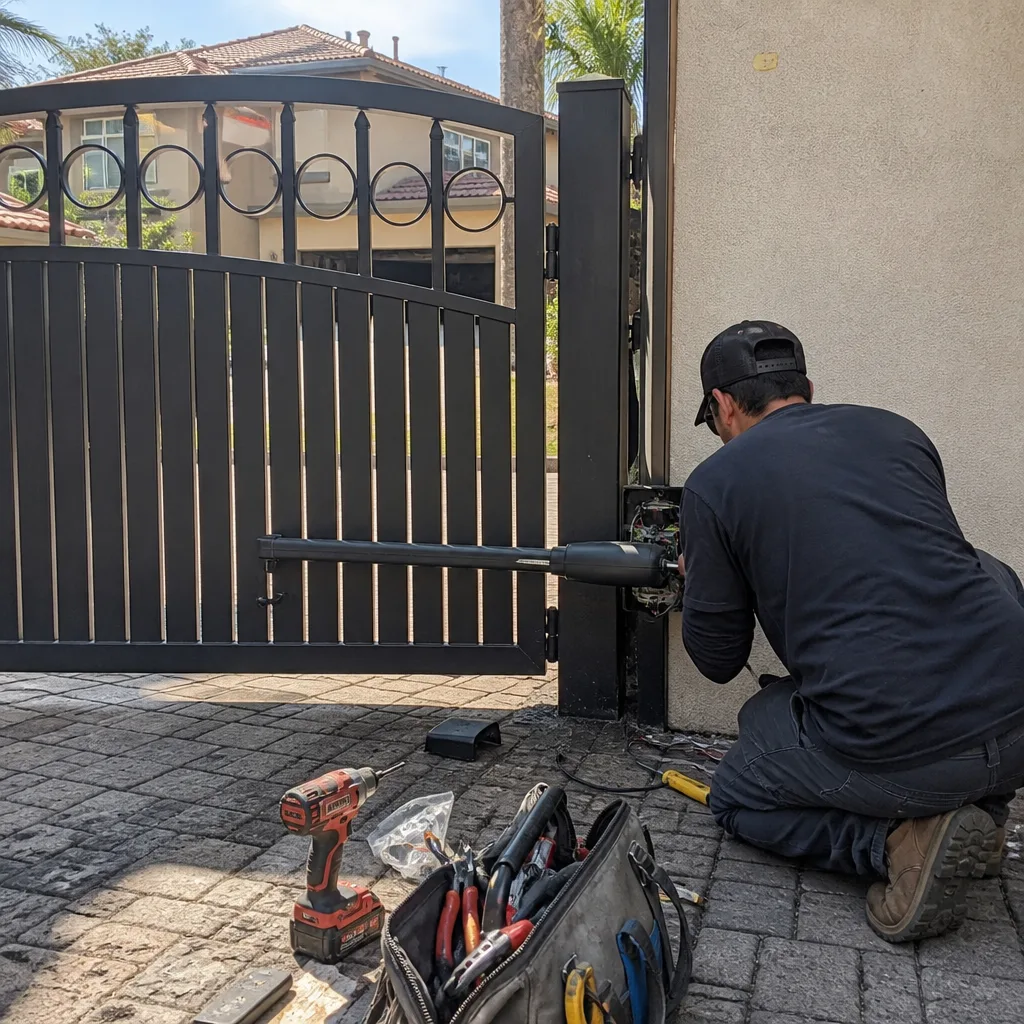 After
After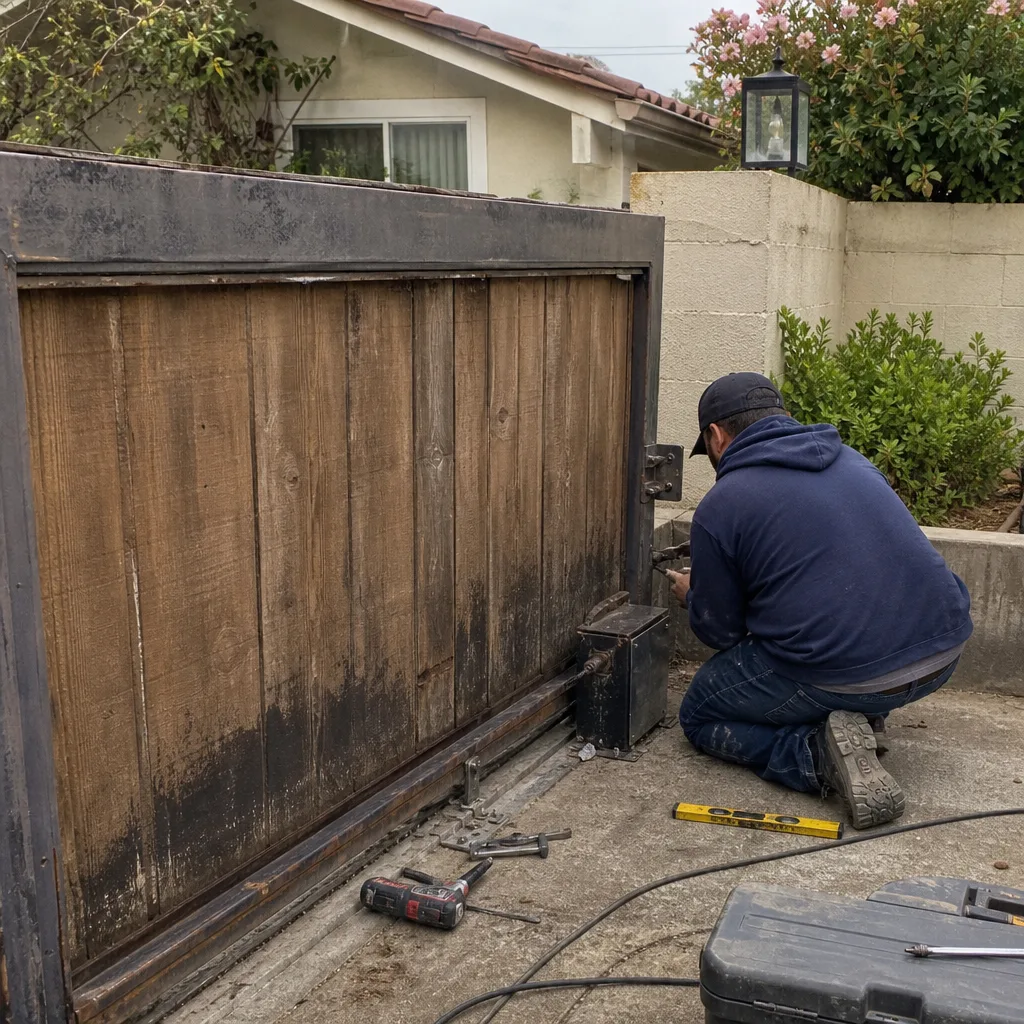 Before
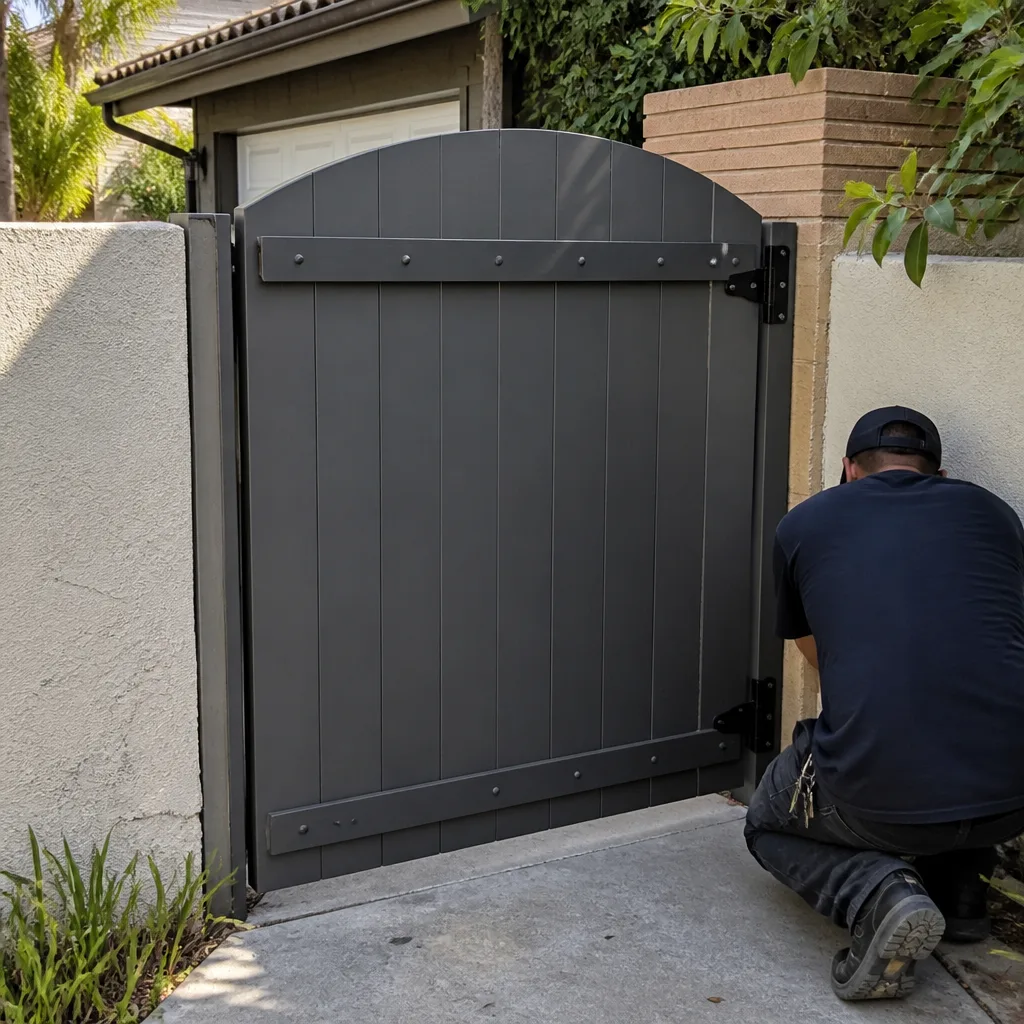 After
After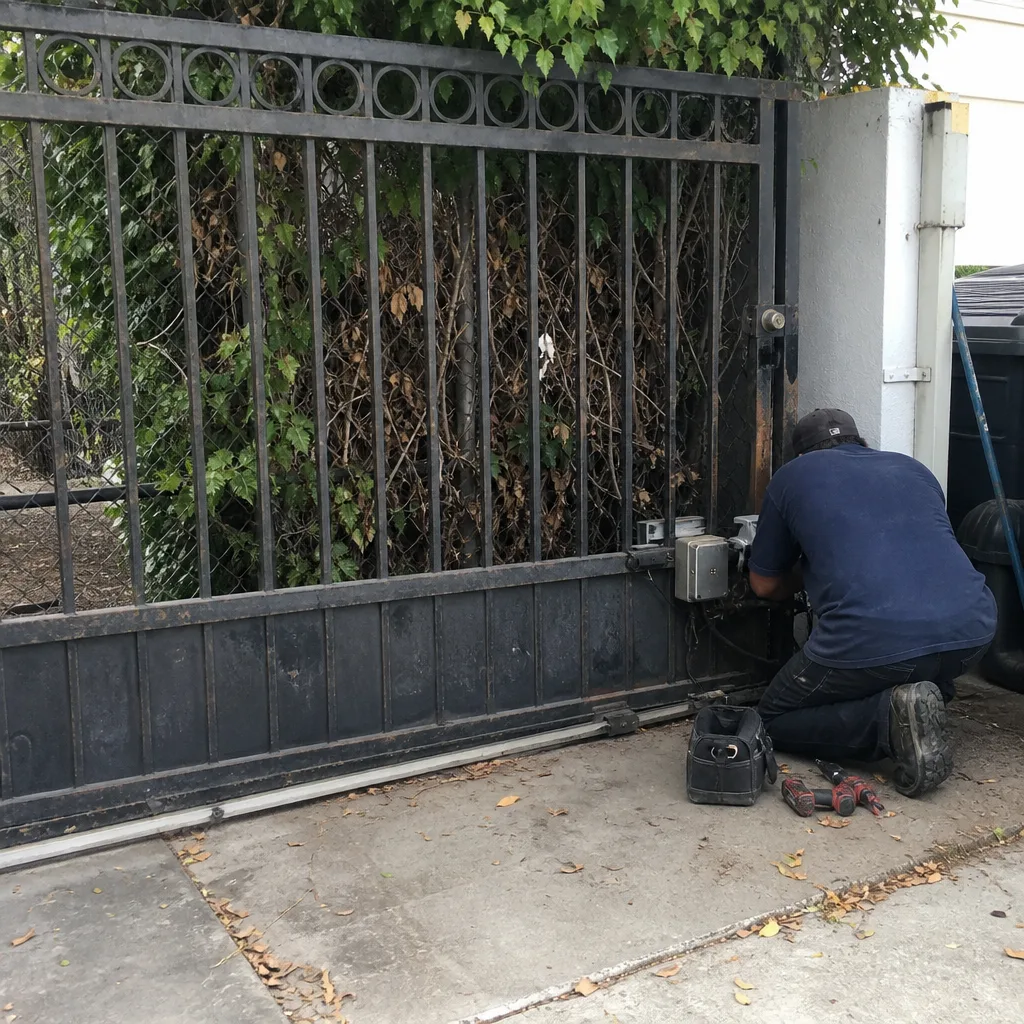 Before
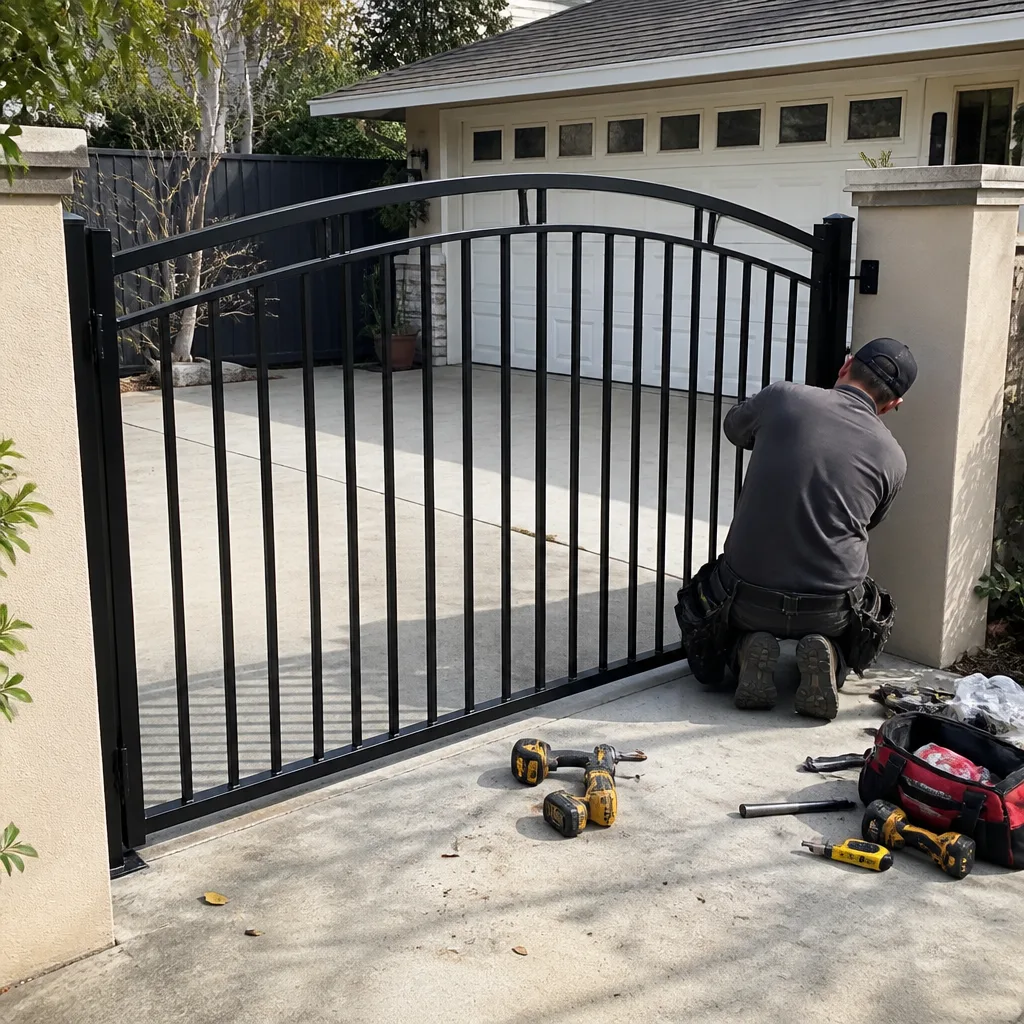 After
AfterGate Repair Maintenance Checklist for Laguna Hills Homeowners
Most gate failures in Laguna Hills don’t start with a bang. They start with a faint squeak on a Tuesday morning, a hesitation in the opener that lasts half a second, or a hinge that’s been silently carrying too much weight since the last rain. By the time a gate stops opening entirely, the real damage was done months earlier. This guide walks through a straightforward maintenance checklist that catches those small problems before they become a $900 weekend emergency. We’ll cover what to inspect, when to inspect it, the role Laguna Hills weather plays in gate wear, and which jobs are safe for a homeowner versus which ones need a trained hand.
Quick Answer
A proper gate maintenance routine for Laguna Hills homeowners includes a monthly visual check of hinges, welds, and opener force settings, a quarterly cleaning and lubrication of moving parts, and an annual inspection of the motor, safety edges, and electrical connections. Most gate repairs in this area cost between $180 and $450 when caught early, but neglected maintenance can easily push that number past $1,200. If your gate is sagging, grinding, or reversing unexpectedly, stop using it and call a gate specialist before the damage compounds.
Table of Contents
- Why Gates Fail in Laguna Hills: The Local Factors
- The Monthly Maintenance Checklist
- The Quarterly Maintenance Checklist
- The Annual Maintenance Checklist
- What Skipping Maintenance Actually Costs in Laguna Hills
- What You Can Safely Do Yourself (And What You Shouldn’t)
- Early Warning Signs Your Gate Needs Repair
- Common Mistakes to Avoid
- When to Call a Professional
- Frequently Asked Questions
- The Bottom Line
Why Gates Fail in Laguna Hills: The Local Factors
Laguna Hills sits in a coastal-influenced climate zone that’s gentler on metal than inland Orange County, but it has its own set of gate problems. The marine layer that rolls through in the mornings brings moisture that settles on unpainted steel and works into pivot points. Homes in the Nellie Gail Ranch and Moulton Ranch areas deal with clay-heavy soil that shifts slightly between wet winters and dry summers, and that movement transfers directly to gate posts and hinges. We’ve seen gates in Laguna Hills that worked perfectly for fifteen years suddenly bind up after a single rainy season, simply because the soil under the post had settled a quarter inch.
The other factor is simple age. Many homes in this area were built between the 1970s and 1990s, which means a large number of original gates are now thirty to fifty years old. The gate itself might still be structurally sound, but the opener, the hinges, and the wiring are all reaching the end of their service life around the same time. Without a maintenance routine, those components fail in a cascade: a worn hinge puts extra strain on the motor, the motor draws more current, the circuit board overheats, and suddenly a $40 hinge replacement has become a $600 opener rebuild.
Understanding these local conditions is the foundation of any maintenance plan. The checklist below is designed around what we actually see in Laguna Hills driveways, not what a generic manual printed in Ohio suggests.
The Monthly Maintenance Checklist
Monthly checks take about ten minutes and catch the majority of developing problems. The goal is not to fix anything, but to notice changes. A gate that sounded fine last month and squeaks this month is telling you something specific about hinge wear or lubrication. A gate that opens slightly slower than it did thirty days ago is pointing at a motor or power issue.
What to do every month:
- Listen to the gate operate once, start to finish. Stand next to it and open and close it fully. A healthy gate hums evenly. Squeaking means dry hinges or rollers. Grinding means a gear or bearing is wearing metal on metal. Clicking at the start of operation often points to a weak battery or a failing capacitor. Note any change and write it down.
- Watch the gate’s speed and smoothness. It should move at a consistent pace from fully open to fully closed. Hesitation at a specific point usually means a bent track, a tight hinge, or debris in the path. A gate that jerks forward at startup is putting stress on the opener’s gearbox.
- Check the closing force. Place a firm object like a 2×4 in the gate’s path and close the gate. The gate should stop and reverse before applying serious pressure. If it presses hard against the obstruction, the force setting is too high and needs adjustment. This is a safety issue, not just a mechanical one.
- Look at the hinge area. Stand at the pivot post and watch the hinges as the gate moves. Any visible movement, wobble, or flexing in the hinge itself means the bearing or bushing is wearing. A sagging gate will show this clearly: the free end will sit visibly lower than the hinge end.
- Clear debris from the track and gate path. Leaves, small rocks, and dirt accumulate in the track groove and along the gate’s swing arc. In Laguna Hills, eucalyptus leaves and loose gravel from decomposed granite landscaping are frequent culprits. Clear the path and the track each month.
None of these steps require tools or mechanical knowledge. What they require is consistency. A homeowner who completes this list every month will catch the vast majority of gate problems before they become serious.
The Quarterly Maintenance Checklist
Every three months, the maintenance routine expands from observation into action. These steps involve cleaning, lubrication, and minor adjustments that keep the gate’s moving parts working efficiently. Plan for about thirty minutes.
What to do every three months:
- Clean the gate surface and frame. Dust, pollen, and salt-laden air from the coastal breeze accumulate on the gate. Rinse the gate with a garden hose and a mild car-wash soap. Pay attention to the bottom rail, where dirt and moisture collect and accelerate rust. In Laguna Hills neighborhoods like Aliso Place and Rancho Laguna, landscaping irrigation often throws water onto gates, and that mineral-rich water is hard on painted surfaces.
- Inspect the full length of the gate for rust, especially at welds and joints. Surface rust wipes off and can be treated with a rust converter and touch-up paint. Deep rust that flakes or creates pinholes means the steel is thinning and the gate will eventually need welding repair. Pay close attention to the bottom corners, where water wicks up through capillary action.
- Lubricate hinges, rollers, and pivot points. Use a heavy-duty spray lubricant designed for metal-on-metal contact, not WD-40. WD-40 is a solvent and water displacer, not a lasting lubricant. Apply lubricant directly to the hinge pins, roller bearings, and any moving pivot. Operate the gate twice to work the lubricant in. Wipe away excess so it doesn’t attract dust.
- Check and tighten visible bolts and fasteners. Use a socket set to check the bolts at the hinge brackets, the opener arm attachment, and any track mounting hardware. A gate cycles tens of thousands of times per year, and vibration gradually loosens hardware. Do not overtighten; snug is correct, especially on bolts going into concrete anchors.
- Test the safety devices. Every automatic gate in Laguna Hills should have an edge sensor or photo-eye system. Test the photo eyes by waving an object in front of them while the gate is open and attempt to close it. The gate should not move. Test edge sensors by pressing the gate edge strip while the gate is closing. It should reverse immediately. If either safety device fails, the gate is unsafe and should be serviced right away.
Consistent quarterly maintenance extends the life of a gate opener by years. The motors are not the weak point in most systems; lack of lubrication and safety-device neglect are what send openers to an early grave.
The Annual Maintenance Checklist
Once a year, the maintenance routine goes deeper. These are the checks that require opening the opener housing, inspecting internal components, and evaluating the overall structural condition of the gate and posts. Many Laguna Hills homeowners schedule this annual work before the rainy season, which gives a comfortable window between October and December.
What to do every twelve months:
- Open the opener housing and inspect the internals. Look for dust accumulation, moisture, signs of overheating like discolored circuit boards or melted wire insulation, and any corrosion on electrical connections. Turn off power to the opener at the breaker before opening the housing. Spiders and ants often nest inside opener boxes in this area, so clear them out.
- Test and tighten all electrical connections. Loose terminal screws cause resistance, which causes heat, which fails circuit boards. A simple tightening pass with a screwdriver once a year prevents a large percentage of opener failures. This is a low-voltage project, but if you are uncomfortable working inside the opener, this is the point to call a technician.
- Inspect the gate posts for plumb and stability. Push firmly against the top of each post. A properly set post should not move at all. Any movement means the concrete footing is failing or the post has rusted through at ground level. In the clay soil common to Laguna Hills, posts can heave slightly with seasonal moisture changes, and that movement gets worse every year it’s ignored.
- Evaluate the overall gate alignment. Close the gate fully and step back. The gap between the two gate leaves should be even top to bottom. The gate should sit level across the top. Any diagonal lean means a hinge or post problem. Swing gates should not drag on the ground at any point in their arc; sliding gates should not ride up on the track wheels.
- Service the gate opener’s drive mechanism. Depending on the opener type, this means checking the drive chain tension on a chain-drive opener, inspecting the drive belt for cracks, or examining the gearbox oil level on a hydraulic opener. Ghost Controls, LiftMaster, Mighty Mule, and Elite openers all have slightly different drive systems, but the principle is the same: the drive mechanism needs clean, properly tensioned components.
- Test the manual release mechanism. Every automatic gate opener has a manual release that allows the gate to be opened by hand during a power outage. Test it. If the release is seized or the gate cannot be moved by hand with reasonable effort, the opener or the gate itself has a mechanical problem that needs attention before the next outage.
An annual inspection is also the right time to have a professional perform a seasonal tune-up. Ironworks Gate Co. offers an $89 Seasonal Tune-Up that covers the annual checklist items, lubrication, safety testing, and a written condition report, all protected by the 90-Day Done Right Promise.
What Skipping Maintenance Actually Costs in Laguna Hills
The math is straightforward. A hinge replacement that costs $220 catches a problem in its early stages. Skip maintenance for two years, and that same hinge failure allows the gate to sag, which bends the opener arm, which burns out the motor, which requires a new opener plus a new hinge plus a welded repair to the gate frame. That bill lands between $1,100 and $1,800. In Laguna Hills, where many gates are custom-built and sized to specific driveways, replacement parts often need to be fabricated or special-ordered, which adds time and cost.
| Maintenance Item | Cost if Caught Early | Cost if Ignored |
|---|---|---|
| Worn hinge (swing gate) | $180-$280 | $800-$1,400 (sagging gate, opener arm damage, weld repair) |
| Dry rollers (slide gate) | $40-$90 (lubrication service) | $500-$900 (roller replacement, track repair) |
| Safety edge not working | $120-$200 | Liability from entrapment injury; possible code violation |
| Loose electrical connection | $90-$150 (tightening and inspection) | $450-$900 (circuit board replacement) |
| Surface rust at weld points | $60-$120 (rust treatment and paint) | $700-$1,500 (structural welding repair) |
These numbers reflect the Laguna Hills market specifically. They’re based on service calls across the city, from the older homes near Alicia Parkway to the newer developments in the east. Every price is quoted and agreed before any work starts, so there are no surprises on the bill. Ironworks Gate Co. does not change a price once it’s given, and the 90-Day Done Right Promise means any repair that doesn’t hold up gets fixed properly at no charge.
What You Can Safely Do Yourself (And What You Shouldn’t)
There is a clear line between maintenance and repair. Understanding that line prevents both injury and expensive mistakes.
Safe for a homeowner with basic tools:
- Visual inspection of hinges, welds, bolts, and track
- Cleaning the gate surface and clearing debris from the track
- Lubricating accessible hinges and rollers
- Testing safety devices and the manual release
- Tightening visible bolts that are clearly accessible
- Treating surface rust with a rust converter and touch-up paint
Leave to a trained gate technician:
- Replacing or adjusting gate springs and tension systems (high stored energy; serious injury risk)
- Any welding repair (requires proper technique and equipment; poor welds fail catastrophically)
- Opener force-setting adjustments (too high and the gate becomes a safety hazard; too low and it won’t close)
- Electrical work inside the opener housing (even low-voltage systems can short and damage circuit boards)
- Post repair or replacement (requires demolition, concrete work, and exact alignment)
- Track straightening or replacement (miscalibration causes accelerated wear across the whole system)
In our experience, the gates that show up as emergency calls in Laguna Hills are rarely the ones where a homeowner did their own monthly inspections. They are the ones where a homeowner attempted a repair they shouldn’t have. A gate that was slightly out of alignment becomes a snapped chain, a bent track, or a stripped gearbox when the wrong force is applied. The honest answer: maintenance is a homeowner’s job, repair is a technician’s job, and the line between them is not blurry.
Early Warning Signs Your Gate Needs Repair
Beyond the scheduled maintenance, certain symptoms demand immediate attention. These are the early warning signs that maintenance has fallen behind and a repair is now the priority.
- The gate is visibly sagging. The free end droops, the gate scrapes the driveway, or it doesn’t line up with the latch. This is almost always a hinge problem, and it worsens geometrically the longer it’s allowed to continue.
- The opener is working harder than it used to. You can hear it straining, the motor labors, or the gate moves noticeably slower. A gate that used to open in twelve seconds and now takes twenty is telling you something is binding.
- The gate reverses without touching anything. If your gate starts closing and then reverses in the middle of its path with no obstruction, the safety sensors are misaligned, dirty, or the edge sensor is failing. This is both annoying and unsafe.
- Rust is flaking, not just surface-staining. Light surface rust is treatable. Rust that flakes off in sheets or crumbles when you press it with a screwdriver means the steel is structurally compromised.
- The gate is noisy in a way it wasn’t before. New grinding, clicking, or popping sounds are specific diagnostic signals. A grinding sound during operation is often a gear that’s losing teeth; a popping sound from the hinge area indicates a bearing that’s failed.
- The posts are moving. If you can see daylight between the post and the surrounding concrete or soil, or if the post shifts when you push on it, the footing is compromised and the gate’s entire geometry is at risk.
Any one of these signs is a reason to stop using the gate and make a call. A gate that is actively failing is more than an inconvenience: it can cause injury, damage vehicles, and leave a property unsecured at the worst possible moment. Ironworks Gate Co. home service covers the full scope, from hinge repair to complete gate and opener replacement.
Common Mistakes to Avoid
- Using the wrong lubricant. WD-40 and similar products are solvents, not lubricants. They temporarily quiet a squeak by washing away the remaining grease, then evaporate and leave the metal drier than before. Use a lithium grease or a heavy-duty spray lube designed for gate hinges and rollers.
- Greasing a slide gate track. Grease on a slide gate track attracts dust and grit, which creates a grinding paste that accelerates wear. The track and wheels are designed to run dry or with a very light, dry-film lubricant. Greasing the track is one of the most common homeowner mistakes we see in Laguna Hills.
- Ignoring a sagging gate because it “still works.” A sagging gate still works until the day it doesn’t. Every cycle while sagging puts abnormal strain on the opener, the hinges, and the gate frame. The longer it sags, the more components you’ll eventually have to replace.
- Disabling safety devices because they’re “annoying.” Photo eyes that trigger false reversals are frustrating, but disconnecting them is dangerous and a code violation. Fix the alignment problem; don’t bypass the safety.
- Painting over rust without treating it. Paint does not stop rust. It seals it in, and the rust continues to eat steel underneath the paint. Remove the rust, treat it with a rust converter, then prime and paint.
- Over-tightening bolts on hinge brackets. Over-tightened bolts create stress points that crack, especially in cast iron brackets. Snug is correct; cranking down with maximum torque is not.
- Waiting for the gate to fail completely before calling. The most expensive gate repairs in Laguna Hills are emergency calls for gates that have been struggling for months. The warning signs were there; the maintenance wasn’t done; the small problem became a complete failure. A $200 repair in month one beats a $1,400 replacement in month six.
When to Call a Professional
Call a gate specialist when you see structural movement, hear new mechanical noise, experience electrical problems like an opener that trips breakers or works intermittently, or any safety device fails a test. Call if you have attempted the maintenance above and the problem persists. Call if your gate was installed before 2000 and has never had an opener service. And call if you simply want the confidence of knowing a professional has inspected the entire system. Ironworks Gate Co. offers free estimates in Laguna Hills. A technician will come out, look at the gate, and give you a written price before any work starts. Call (213) 587-4828. There is no charge for the estimate, and no obligation to proceed.
Frequently Asked Questions
A gate should receive homeowner-level maintenance monthly and quarterly, and professional-level service at least once a year. The annual professional service is the most important: it catches internal opener wear, electrical connection issues, and structural problems that a homeowner inspection will miss. Ironworks Gate Co. performs an $89 Seasonal Tune-Up that covers the full annual service, including lubrication, safety testing, and a written condition report. Call (213) 587-4828 to schedule.
Most gate repairs in Laguna Hills range from $180 for minor hinge or roller work to $900 for opener circuit board replacement or significant structural repair. Complete opener replacement typically runs $700 to $1,400 depending on the brand and the complexity of the installation. The cost is directly tied to how early the problem is caught. A hinge replaced at first sign of wear costs less than a quarter of what that same hinge costs after two years of neglect. Estimates are free, and the price is always agreed before work begins.
Many common repairs, including hinge replacement, roller replacement, safety sensor alignment, and opener programming, can be completed in a single visit. Ironworks Gate Co. keeps common parts in stock for the gate brands most common in Laguna Hills, including LiftMaster, Elite, Mighty Mule, and FAAC. A live person answers the phone 24 hours a day, 7 days a week, and most single-visit repairs are scheduled within one to two days. Call (213) 587-4828 and we’ll tell you honestly whether your repair is a same-visit job.
Ironworks Gate Co. technicians are trained and equipped on nine gate automation brands: LiftMaster, FAAC, BFT, Linear, Viking, Ghost Controls, DoorKing, Elite, and Mighty Mule. That breadth matters because homes in Laguna Hills have a wide mix of openers, some original to the home and some retrofitted over the years. Whatever is on your driveway, we can diagnose and repair it properly on the first visit.
Yes, and the numbers are not ambiguous. A well-maintained swing gate with a quality opener will routinely last twenty to thirty years in the Laguna Hills climate. The same gate with no maintenance will typically need significant repairs within ten to twelve years, and its opener will fail within five to seven. The difference is hundreds of dollars per year in avoided costs, and the maintenance work is neither complicated nor expensive.
Yes. Ironworks Gate Co. offers a permanent 5% discount for seniors and veterans on all gate services. We also offer $50 off any repair over $250, a free second opinion on any written estimate from another company, and an $89 Seasonal Tune-Up. These offers apply to every job in Laguna Hills, and the price is always discussed and agreed before any work starts. A live person answers the phone 24 hours a day at (213) 587-4828.
The Bottom Line
A gate is not a set-and-forget piece of equipment. It is a mechanical system that cycles thousands of times a year, carries hundreds of pounds, and sits outside in the elements, and in Laguna Hills those elements include coastal moisture, shifting clay soil, and decades of accumulated wear on aging installations. The homeowner who spends ten minutes a month and thirty minutes a quarter on the checks described in this guide will catch most problems before they become expensive. The homeowner who pairs that routine with an annual professional tune-up will get decades, not years, from their gate. Ironworks Gate Co. has served Laguna Hills homeowners with exactly this approach since 2013, and every job is protected by the 90-Day Done Right Promise. If your gate needs attention, call (213) 587-4828. We’ll give you a straight answer, a free estimate, and a price that does not change once it’s quoted.
Written by Victor Salinas, Owner at Ironworks Gate Co., serving Laguna Hills since 2013.